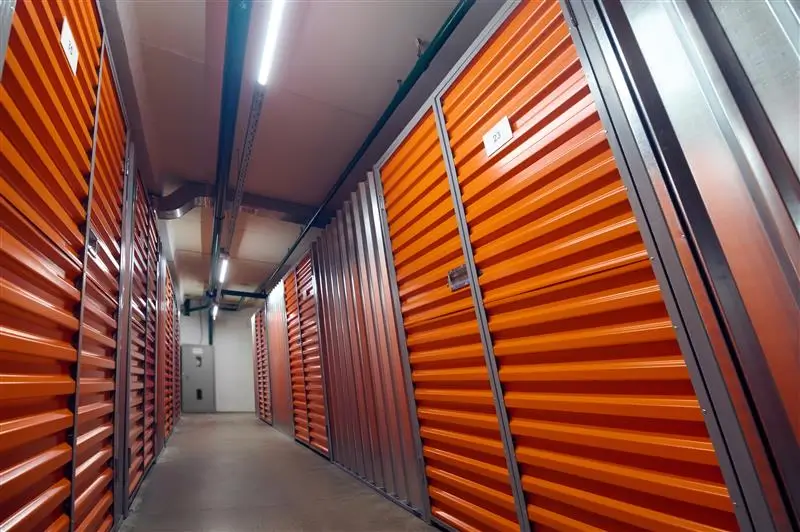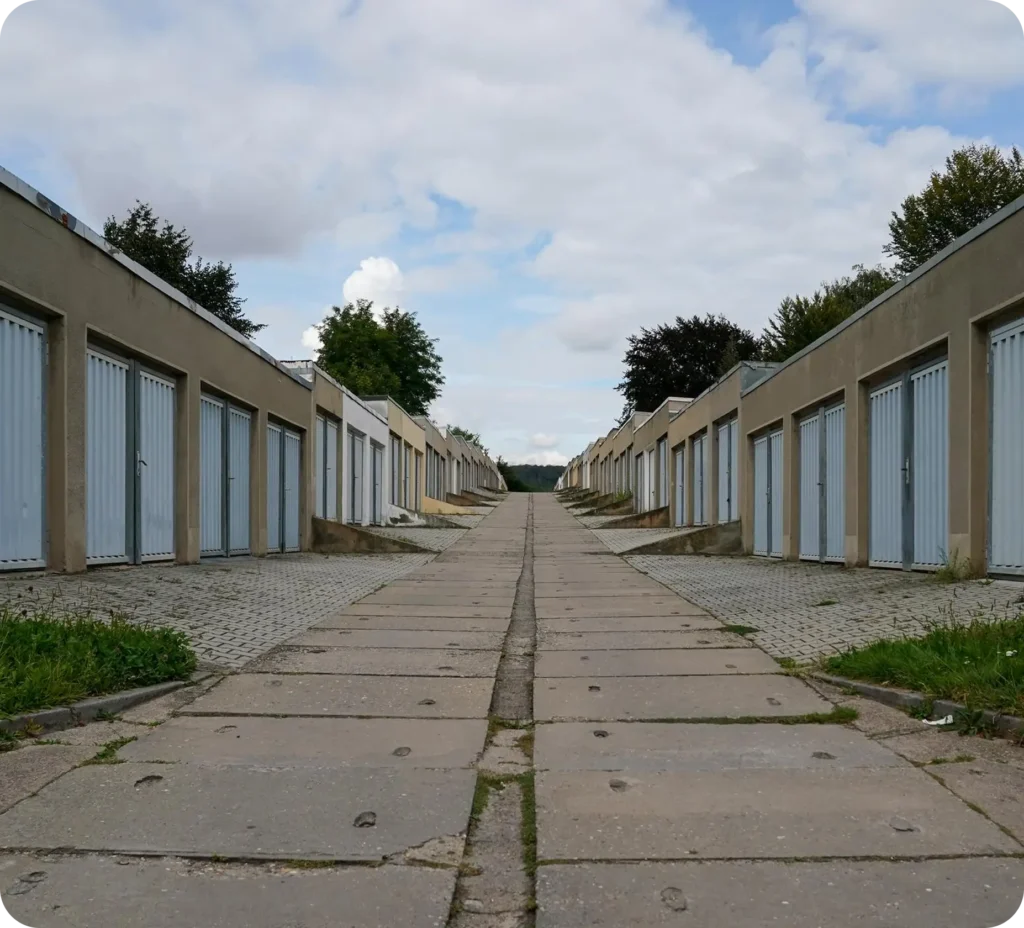

We run 26 self-storage properties across 12 states (plus 15 industrial flex properties under our sister brand). When we look at the industry data versus what’s happening at our facilities day-to-day, we see five trends shaping 2026 that customers should know about. This isn’t industry-cheerleading — some of these are uncomfortable.
1. Demand has softened from the 2021-22 peak
The pandemic-era housing churn that drove storage demand through the roof has cooled. National occupancy at major REITs is down 200-400 basis points from 2022 highs. Move-ins are slower. Customers are more price-sensitive.
What this means for renters:
- More negotiating leverage. Operators are competing harder for new tenants.
- More aggressive promos. 50%-off-first-month and “first month free” are widespread.
- Better unit availability in markets that were tight in 2022 (Sun Belt growth markets especially).
What we’re seeing at Forward Storage:
- Occupancy is steady, but new-customer acquisition is more expensive.
- Properties in military markets (Beaufort SC, Pine Bluff AR, San Antonio TX, Fredericksburg VA) remain steadiest — military families don’t time the housing market.
- Newer markets are seeing the most price softness.
2. Oversupply pressure in select Sun Belt markets
The 2020-2022 development boom delivered new supply that’s now hitting absorption ceilings in specific metros. Phoenix, Austin, Nashville, Charlotte, and parts of Florida have absorbed less than developers projected.
What this means for renters in oversupplied markets:
- Expect promotional pricing to remain aggressive through 2026.
- Newer Class A facilities competing on amenity (e.g., 24-hour climate control, drive-up access at every unit).
- Operators may waive admin fees, lock fees, or first-month insurance.
What this means for renters in supply-constrained markets:
- Smaller/mid-size cities outside the development boom (think Pine Bluff, Hereford TX, Hamlin PA, Salem VA) still have steady pricing.
- Less price-shopping leverage in these markets — but also less risk of being upsold.
3. ECRI (Existing Customer Rate Increases) under more scrutiny
Self-storage’s revenue model historically relied on “lock-in pricing” — promotional rates at signup, then significant rate increases on existing customers after 3-6 months. This practice (ECRI) is increasingly visible to consumers and is drawing regulatory attention in some states.
What’s changing:
- More transparency required at signup in some jurisdictions.
- Consumer awareness of ECRI has risen — review sites flag aggressive rate hikes.
- Some major operators have moderated ECRI frequency to manage churn.
Forward Storage’s position:
- We do periodic rate reviews (typically annual, not quarterly).
- 30+ days written notice before any increase.
- Customers can vacate with 30 days’ notice if they don’t accept an increase.
- We’re not the cheapest operator — but our long-term pricing is more stable than the lock-in-then-jack approach.
4. Climate-controlled becoming the new baseline
What was “premium” in 2015 is becoming “expected” in 2026. Customers researching storage increasingly assume climate-controlled units are available.
Why this is happening:
- More renters storing electronics, instruments, art (vs. just garage overflow).
- More understanding that humidity damages stored items over months.
- Climate-controlled differential narrowing — most new construction is climate-controlled by default.
What this means for renters:
- Climate-controlled premium dropping from 30-40% to 15-25% in many markets.
- Standard-only facilities increasingly competing on price alone.
- For storage longer than 90 days, climate-controlled is now almost always the right choice.
5. Technology adoption uneven across the industry
The major REITs have invested heavily in mobile apps, online rental, gate access via Bluetooth, automated billing. Local operators range from “fully digital” to “office-only paperwork.”
What this means for renters:
- Online rental is now standard at major chains. If your operator requires in-person paperwork, they’re behind.
- Mobile app access for gate entry is becoming common at Class A facilities.
- 24/7 access is more common, but with significant variation by operator.
Forward Storage’s positioning:
- Full online rental (no in-person paperwork required).
- Gate code access via SMS/email at signup.
- We’re not at app-based access yet for every property; gate code is standard.
What Forward Storage thinks renters should know in 2026
Three practical recommendations from looking at the market:
- Don’t lock into a 12-month commitment. Month-to-month is industry standard. Any operator pushing you to commit to 6 or 12 months is using a tactic that benefits them, not you.
- Price-compare 3 options. Get quotes from your closest 3 facilities (any brand). Operators are competing hard for new tenants in 2026.
- Read recent reviews specifically about ECRI. Look for reviews from 6-12 months into a tenancy to see how rates evolved. The signup price isn’t what you’ll pay long-term at many operators.
This guide reflects our take based on operating 26 storage properties across 12 states. It’s not a prediction; it’s pattern recognition from running the business. Last updated: 2026-05-21.