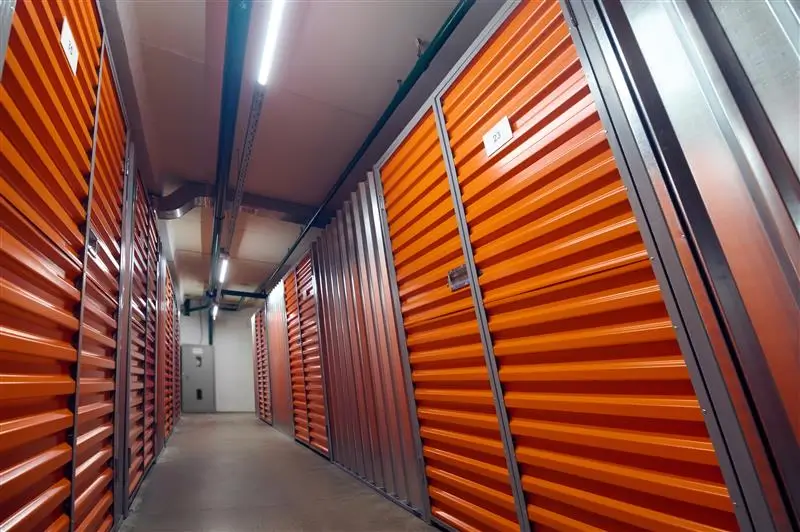

When a parent passes away, you’re often left managing a lifetime of accumulated belongings in a house that needs to be sold quickly. Probate takes months. The sale of the house takes weeks. Other family members may live across the country and can’t visit the family home to claim items in person. In the middle of grief, you need to make decisions about furniture, photos, books, china, and memorabilia. Forward Storage helps families pause those decisions long enough to make them well.
The estate-inheritance situation
The pattern most families face:
- The death. Family gathers. Funeral.
- The house needs to be cleared. Often urgently — pending sale, probate court timeline, or surviving spouse moving to assisted living.
- Family wants to keep some items. But they live in different cities/states.
- Some items have monetary value. Antiques, jewelry, art, collections. These often need appraisal before disposition.
- Some items are sentimental but unclear who should get them. Family negotiation takes weeks or months.
- Some items go to estate sales or auctions. That process takes 2-4 months.
- Some items go to charity. Once the family has had time to look at them.
Self-storage is the holding ground for all of it.
What to store during estate management
- Family photos and albums (especially urgent — these are irreplaceable)
- Important documents (wills, trusts, deeds, tax records — work with attorney on these)
- Heirloom furniture
- Antiques and items with potential value (until appraised)
- Items multiple family members want (until distribution is decided)
- Items the surviving spouse wants but doesn’t have room for at the new place
- Items from grandkids’ childhood that parents (your siblings) may want for their children
Sizing for estate storage
The math depends on what’s at the family home and how much family members want:
- 3-bedroom family home, most contents to be sorted: 10×20 or 10×30 unit
- 4+ bedroom home with attic and basement contents: 10×30 or two 10×20 units
- Just heirloom items + photos + valuable furniture: 10×10 or 10×15
- Multi-generational household with grandparent items, parent items, family items: Larger — typically 10×25 to 10×30
When in doubt, slightly oversize. Estate timelines slip; the wrong unit size adds stress.
Climate-controlled for almost everything
Estate storage benefits from climate control more than most uses because:
- Stay duration is long (often 6-18 months)
- Items are irreplaceable (family photos, heirlooms)
- Some items have value that humidity/temperature damage erodes
- Family won’t be visiting frequently — long stretches without inspection
Climate-control: photos, leather, wood, books, instruments, electronics, fabrics, art.
Working with an attorney and CPA
Estate storage often intersects with the legal process:
- Inventory the contents before storing (for probate and tax purposes)
- Photograph everything (digital record for family + legal record)
- Don’t dispose of anything contested until estate is settled
- Get appraisals for items with potential value (helpful for tax purposes and for fair distribution to heirs)
- Discuss with attorney before moving anything out of the family home — there may be specific rules
Estate sale companies typically appraise contents free in exchange for getting the auction listing. Useful even if you ultimately keep items.
Coordinating with out-of-state family
This is the hardest part of estate management. Strategies that work:
- Share digital inventories with family before they make decisions. Photos, descriptions, estimated values via shared Google Drive or family WhatsApp.
- Hold a “family weekend” within 60 days when out-of-state siblings can fly in, visit storage, and claim items.
- For items multiple people want, find equivalents. Grandma had two china services? Each sibling takes one. Mom had multiple wedding-era photos? Scan and share digitally, distribute originals over time.
- Document who got what. Important to avoid family arguments years later.
- Set a deadline for family decisions. Without a deadline, items can sit in storage for years. “By end of month X, everything not claimed goes to the estate sale” focuses family attention.
Forward Storage’s estate-friendly policies
- Month-to-month, 30-day notice. No long-term commitment during an uncertain timeline.
- Climate-controlled at most facilities.
- Additional gate access for family members visiting from out of state (we can add multiple codes).
- 50% off first 2 months for new customers.
- No questions about purpose.
- Coordination with estate sale companies — many auctioneers come directly to the storage unit to evaluate or pick up.
Storage timeline by phase
| Phase | Duration | Storage role |
|---|---|---|
| Immediate aftermath | 2-4 weeks | Reserve unit, begin loading photos and irreplaceables |
| Clearing the family home | 1-3 months | Move contents to storage as needed; sell house once cleared |
| Family sorting | 2-6 months | Visits from out-of-state family; claim items |
| Appraisal and decisions | 3-6 months (parallel) | Items appraised; family decides what to keep, sell, donate |
| Estate sale or auction | 1-3 months | Auctioneer visits storage; items leave for sale |
| Donation phase | 1-2 months | Charity pickups; remaining items distributed |
| Wind-down | 30 days | Final sort; vacate unit |
Total: 9-18 months for most estates.
Choosing the right Forward Storage location
The right location is usually closest to the family home (so clearing it is efficient) — not necessarily closest to any one family member.
- If multiple family members are in different cities, the unit stays at the family home’s city. Family travels to it.
- If the surviving parent is moving to a different city, the unit might be near the new city if the parent will be doing the sorting.
Most family-home estates are within a 30-minute drive of one of our 26 facilities across 12 states. Call us to discuss your specific location.
Frequently asked questions
How do I get items appraised before deciding what to keep?
Estate sale companies appraise free in exchange for the listing. National companies like EverythingButTheHouse and MaxSold offer this. Local antique dealers often do as well.
Should I scan family photos before they go in storage?
Yes — absolutely. Use a service like LegacyBox or scan locally. This protects against any future damage and lets you distribute photos digitally to family even before originals are claimed.
Can I work with an estate attorney through the storage process?
Yes — many of our customers do. The attorney typically handles probate and any disputes; we handle storage. We’re happy to coordinate access for auctioneers, charity pickups, or family visits as needed.
What about valuable items like jewelry or coins?
For items above standard tenant insurance limits ($2K-3K per item), we recommend safe deposit box or specialized appraisal/storage services. We can hold most items but check with us first about specific valuables.
How long do most estate customers keep their unit?
9-18 months is typical. Some keep longer if family disputes extend, or if the surviving spouse keeps items for eventual grandchildren.
Ready to start?
Find your nearest Forward Storage location → or call 888-684-4933.
We’ve helped thousands of families through this transition. Storage is one of the few decisions in estate management that’s genuinely reversible — start the unit, change your mind, vacate with 30 days’ notice. Other decisions can wait until you’re ready.