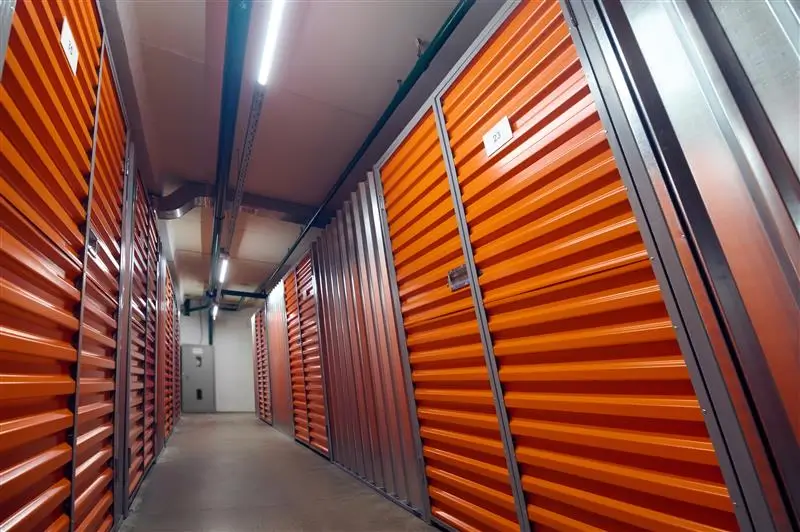

Divorce is hard enough without the logistics. One of you needs to move out. There’s furniture, dishes, books, personal items to split. There’s a temporary place that doesn’t have room for it all. There’s a court process, an attorney, paperwork that may take 6-18 months to finalize. In the middle of all that, your stuff needs to live somewhere. Forward Storage handles divorce-transition storage quietly, flexibly, and without locking you into anything you’d regret later.
The divorce storage situation
The pattern we see most often:
- One spouse moves out of the shared home (often the higher-earner moving to an apartment, sometimes the other way).
- They take half the furniture — but the new apartment doesn’t have space for it all.
- They put the rest in storage while the divorce settles.
- The settlement takes 6-18 months depending on jurisdiction, complexity, kids, etc.
- Eventually they buy or rent a permanent place and either bring the storage contents home or sell them.
It’s a months-to-years timeline, not weeks. Self-storage handles the indeterminate length without making you commit to anything.
What people typically store during separation
- Their half of the furniture (sofa, dining set, bedroom set if they took it)
- Personal items they don’t have room for in the temporary place
- Items meant for the kids (especially if they’re co-parenting and items go back and forth)
- Items they’re not yet sure they want to keep
- Hobby items, sports equipment, collections
- Wedding photos, family photos (these are particularly sensitive)
- Important documents while temporary housing isn’t secure
- Sometimes: items pending the property settlement
Sizing for divorce-transition storage
The math depends on what you took from the shared home and where you’re temporarily living:
- Moving from family home → studio apartment: 10×15 to 10×20 (you took a lot, can’t fit it)
- Moving from family home → 1-bed apartment: 10×10 to 10×15
- Moving from family home → renting a bedroom in a friend’s place: 10×15 to 10×20 (almost everything goes in storage)
- Moving from family home → already-furnished short-term rental: 5×10 to 10×10 (most of your stuff goes in storage)
- Stayed in the family home, spouse took half: Probably no storage needed; smaller unit if you need to set aside contested items
When uncertain, slightly oversize. Cheaper than the stress of finding a second unit.
What to keep climate-controlled
For divorce storage, climate-controlled is recommended because:
- You’re storing personal items longer than a typical move (often 6-12+ months)
- You can’t easily check on items — divorce stress means you may not visit the unit for months
- Sentimental items (photos, kids’ artwork, wedding albums you might want later) need protection
Specifically climate-control: photos, leather furniture, wood furniture, books, electronics, instruments.
Standard non-climate is fine for: outdoor equipment, sealed-bin items, items you’ve already decided to sell or donate.
Discretion and privacy
We understand divorce isn’t something most people want to discuss with a property manager. Forward Storage’s policies:
- No questions about why you’re renting. You’re a customer.
- No mention of marital status required at signup.
- Pay with your own card — your spouse doesn’t need to know your storage exists if that’s relevant to your situation.
- Add only the gate codes you want. Spouse access is your choice.
- Bank-grade billing privacy — we don’t sell customer lists.
Coordinating with co-parents
If you have kids and you’re sharing custody, storage often becomes part of the rotation:
- Items the kids use at the other parent’s place — bicycle, scooter, sports equipment, instruments
- Items the kids brought from the family home that don’t fit at the new place
- Holiday items (presents, decorations) that need to move between homes
Some divorced parents share access to a single storage unit by adding both gate codes. Others maintain separate units. Either works.
Forward Storage’s divorce-friendly policies
- Month-to-month leases, 30-day cancellation. No commitment beyond the current month.
- No annual contracts ever.
- Cancel anytime once your settlement closes — no fee.
- Privacy by default.
- 50% off first 2 months — meaningful relief during the most expensive period of separation.
- No questions asked.
Frequently asked questions
Is divorce storage tax-deductible?
Generally no, unless it’s connected to a business move. Talk to your CPA or divorce attorney about your specific situation.
Should I store items pending the property settlement?
Sometimes yes. If certain items are contested and you want to remove them from contention during proceedings, storage can be a neutral location. Discuss with your attorney first — there may be specific rules about what can be moved before final settlement.
What if my spouse demands access to my storage unit?
Our default: gate codes are owner-only. We don’t grant access without written permission. If there’s a court order requiring access, we comply with the order. If there’s a dispute about items in the unit, that’s between you, your spouse, and the legal process.
Can I store items I haven’t fully decided to keep?
Yes. Many divorce storage renters use the unit as a “decision delay” — you don’t have to sell or throw things out today, you can decide over the next 6-12 months as life clarifies.
How long do most divorce customers keep their unit?
8-15 months is typical. Often correlates with how long the divorce takes to finalize plus 2-3 months to settle into a permanent place.
Ready to set up?
Find your nearest Forward Storage location → or call 888-684-4933.
You’re not alone in this. We’ve helped thousands of customers through divorce transitions. The storage part is the easy part.