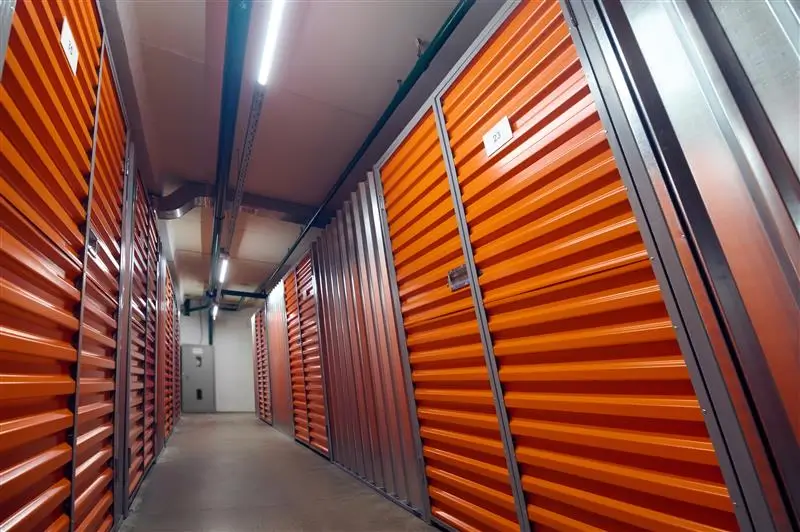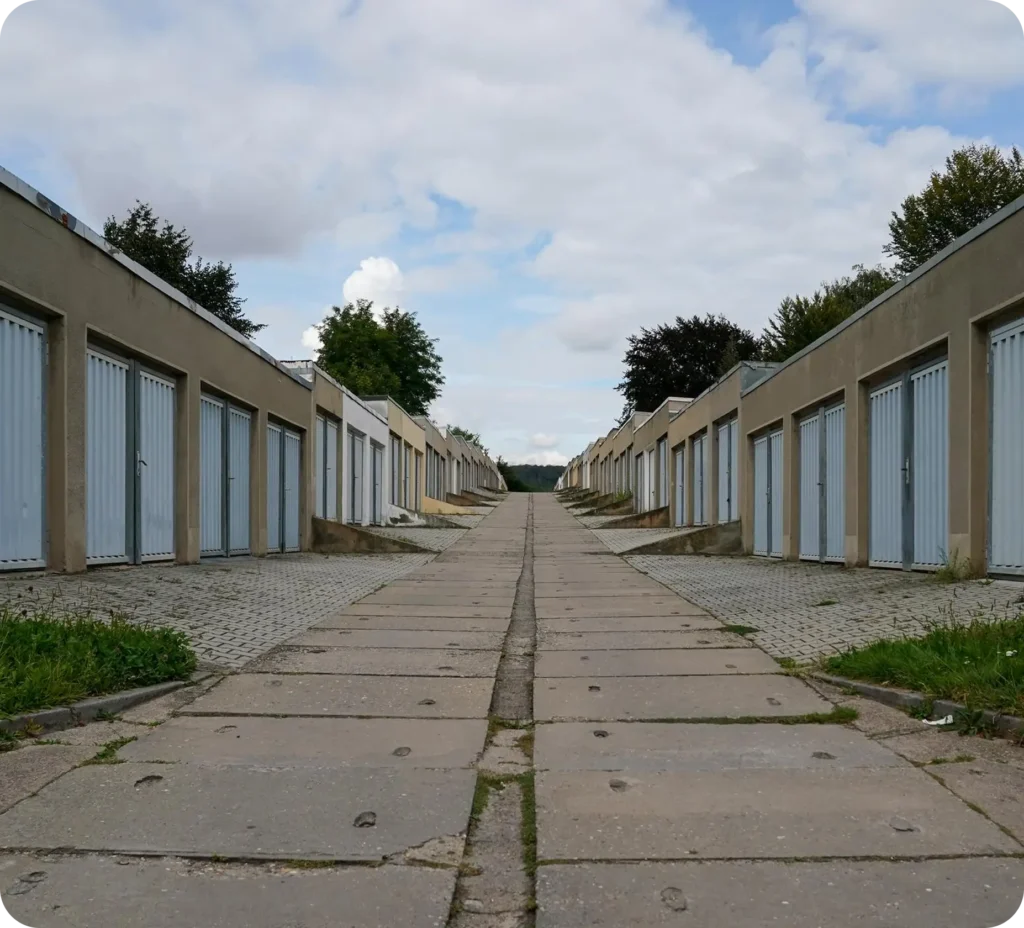

You’re scaling your online store. Inventory is growing faster than the spare bedroom can hold. Maybe you’ve outgrown the garage. You’re not yet at the volume that justifies a 3PL or warehouse lease. Forward Storage handles the middle — affordable, flexible inventory storage for e-commerce sellers from solo Amazon FBA prep operations through multi-SKU Shopify brands shipping hundreds of orders weekly.
When e-commerce sellers move to self-storage
Most sellers start in spare bedrooms, garages, or basements. Self-storage typically becomes the right answer when:
- Inventory has grown beyond available home space
- You’re managing FBA prep at volume (200+ units/week)
- You’re stockpiling holiday inventory and need 3-6 months of overflow space
- You’re transitioning between home and your first warehouse lease
- You have seasonal products (Christmas decor, summer toys, back-to-school) needing 6-month off-season storage
- Insurance or HOA rules limit home-based commercial inventory
E-commerce sub-segments and sizing
Amazon FBA prep
- What you store: Master cases waiting to ship to FBA warehouses, supplies (poly bags, labels, scotch tape), returned inventory waiting for processing
- Typical sizing: 5×10 to 10×10 for small operations; 10×15 to 10×20 for mid-size; multiple units or warehouse beyond that
- Climate control: Required for items sensitive to humidity (electronics, packaged consumables)
Shopify / direct-to-consumer brands
- What you store: Inventory across SKUs, packaging materials, marketing inserts
- Typical sizing: 10×10 to 10×20 for most growing brands
- Climate control: Depends on product category
eBay and reseller storage
- What you store: Individual items waiting to ship, sourced inventory waiting to list
- Typical sizing: 5×10 to 10×10 for individual sellers; larger for high-volume
Etsy and handmade
- What you store: Raw materials, finished inventory, packaging
- Typical sizing: 5×5 to 10×10 depending on product type
- Climate control: Often important for fabric, paper goods, candles, leather
Wholesale or B2B inventory
- What you store: Larger master cases, palletizable inventory
- Typical sizing: 10×15 to 10×30; consider drive-up units for forklift access
Climate-controlled or standard?
Climate-controlled is recommended for most e-commerce inventory:
- Electronics, batteries — temperature/humidity sensitive
- Beauty, supplements, packaged consumables — shelf life affected
- Apparel — moisture causes mildew over time
- Paper goods, packaging materials — humidity warps and tears
- Wood, leather, fabric items — humidity damage
- Anything with FDA, GMP, or industry storage requirements
Standard storage is fine for:
- Outdoor equipment, tools
- Items in fully sealed cases (some packaged goods)
- Inventory you’ll cycle through in <60 days
For most growing e-commerce sellers, climate-controlled justifies the 20-30% premium because: (1) inventory loss from damage is expensive, (2) most products benefit from climate control, (3) ship-quality matters for reviews.
Drive-up access for inventory flow
For e-commerce operations, drive-up units offer:
- Loading dock-like access without dock fees
- Forklift or pallet jack maneuvering
- Faster pick-up and drop-off cycles
- Direct vehicle loading for daily shipping runs
Forward Storage offers drive-up units at most facilities. Specify when you reserve.
Forward Storage’s e-commerce policies
- Month-to-month leases — scale up or down with business needs
- Multiple unit availability for growing operations
- Climate-controlled options at most properties
- Drive-up access at most properties
- 24/7 access at select facilities (call to verify)
- 50% off first 2 months for new customers
- No long-term commitment required
- Direct property manager line for operational coordination
Working from the unit
A practical question: can you work in your storage unit (sorting, prepping, packing)?
Yes, for light work: Quick FBA prep, label application, picking and packing orders, sorting returns.
Not officially for full operations: Running a full picking/packing operation with employees, customer visits, signage, or large equipment crosses into commercial space territory. Most storage leases prohibit this. For full operations, you need commercial/industrial flex space (like Forward Business Park properties).
Most sellers operate in this gray zone successfully — quick visits, modest in-unit work, no permanent setup. As volume grows, transition to dedicated warehouse or flex space.
Insurance considerations
For e-commerce inventory storage:
- Standard renters/homeowners policies may exclude business inventory
- Buy commercial/business insurance rated for stored inventory
- Get coverage at insured value — inventory cost + replacement
- Document inventory quarterly with photos + spreadsheet
Forward Storage’s tenant insurance starts at $2K-3K coverage. For higher-value inventory, dedicated commercial policy.
Scaling beyond self-storage
You’ll know you’ve outgrown self-storage when:
- You need multiple full-time employees in the space (need real warehouse)
- You require dock-high loading (need warehouse with docks)
- Your volume justifies 3,000+ sq ft (3PL or warehouse lease becomes cost-effective)
- You need integrated WMS, RF scanning, or other warehouse tech
- You need climate control beyond basic temp/humidity (cold chain, etc.)
Until then, self-storage scales surprisingly well for e-commerce — many sellers operate from 2-3 units at a single facility for years.
Frequently asked questions
Can I receive shipments at my storage unit?
Most facilities accept UPS, FedEx, and USPS deliveries to your unit (with prior arrangement). LTL freight typically requires advance scheduling.
What about returns processing?
Storing returns in your unit, sorting and reprocessing them is generally fine if low-volume. High-volume returns processing crosses into commercial activity that may need flex space.
Can I have employees work from the storage unit?
Brief visits by employees (loading, unloading) are fine. Permanent staffing or daily presence crosses into commercial operations not allowed under standard storage leases.
Is storage tax-deductible for my e-commerce business?
Yes — storage costs are deductible as a business expense. Keep receipts.
How much does e-commerce inventory storage cost?
Typical range: 5×10 climate ($60-110/mo), 10×10 climate ($100-160/mo), 10×20 climate ($230-330/mo). Our 50% off first 2 months promo materially reduces first-quarter cost.
Ready to set up?
Find your nearest Forward Storage location → or call 888-684-4933 to discuss your inventory volume and sizing.