
Moving to Memphis? Your Neighborhood + Storage Guide
Practical, honest advice for anyone relocating to Memphis — neighborhood breakdowns, cost of living, schools, commuting, and how to handle the move logistics.
Why people move to Memphis
In a sentence: Memphis offers big-city amenities at small-city prices, with a music and food culture you can’t easily replicate elsewhere.
The longer version: Memphis sits at the convergence of three states (Tennessee, Arkansas, Mississippi) and has roughly 1.3 million people in its metro area. It’s home to FedEx World Hub (the world’s largest cargo airport), AutoZone, International Paper, ServiceMaster, FedEx Logistics, and St. Jude Children’s Research Hospital. The economy runs on logistics, healthcare, distribution, and music tourism.
What you get in exchange for moving here:
– Cost of living roughly 20% below the US average — housing especially affordable
– No state income tax (Tennessee)
– A real music scene — Beale Street, Sun Studio, Stax Museum, Memphis in May festival
– Genuine BBQ culture — the city takes its food seriously
– A central location — drive to Nashville (3 hrs), St. Louis (5 hrs), Atlanta (6 hrs), New Orleans (6 hrs)
Trade-offs:
– Summer heat and humidity (June-September: 90s+ regularly)
– Reputation for crime — varies dramatically by neighborhood; do your research
– Schools — Memphis-Shelby County Schools have struggled; many families opt for private or move to suburb school districts
– Public transit limited — you need a car
Memphis neighborhoods: where to live
Downtown / Medical District
Vibe: Urban professional, revitalizing arts district. Near St. Jude, Le Bonheur, Beale Street.
Who lives here: Young professionals, medical staff, music industry workers, hospitality workers, empty-nesters wanting urban convenience.
Typical housing: Loft apartments and condos ($150-300K to buy, $1,000-1,800/month to rent). Some single-family detached.
Pros: Walkable. Restaurants and music venues nearby. Easy commute to medical district employers.
Cons: Limited parking. Crime varies by block. Not family-oriented.
FS location: Forward Storage Memphis at 5724 Shelby Oaks Dr is in East Memphis, about 20-25 min drive from downtown. Convenient for downtown residents whose apartments lack storage.
East Memphis (Shelby Oaks, Mendenhall, Quince)
Vibe: Established residential — single-family homes, mature trees, good amenities.
Who lives here: Working professionals, families wanting suburb feel within city limits, retirees.
Typical housing: $200-500K homes (3-4 bed), $1,200-2,000/month rentals.
Pros: Convenient to highways (I-240). Mix of single-family and multifamily. Better-rated public schools than urban core.
Cons: Traffic at rush hour. Some neighborhoods have property-value pressure from nearby commercial development.
FS location: Forward Storage Memphis (East Memphis) is directly in this area — convenient for residents.
Germantown
Vibe: Upscale suburban. Strong schools. Tree-lined.
Who lives here: Families with school-age kids, healthcare executives, established professionals.
Typical housing: $300-700K homes (4+ bed), limited rental inventory.
Pros: Germantown Municipal School District is one of the best in Tennessee. Low crime. Strong community.
Cons: Higher cost than rest of Memphis metro. 25-35 min commute to downtown. Limited urban amenities.
Collierville
Vibe: Master-planned outer suburb. Family-focused. Historic town center.
Who lives here: Families, professionals tolerating long commutes for excellent schools.
Typical housing: $300-800K homes, mostly newer construction.
Pros: Collierville Municipal Schools are top-rated in Tennessee. Master-planned community feel. Walkable historic square.
Cons: 35-45 min commute to downtown. Newer construction, less character. Higher cost.
Cordova / Bartlett
Vibe: Suburban, family-oriented, varied housing stock from 80s-2000s.
Who lives here: Mixed — established families, first-time buyers, renters across income ranges.
Typical housing: $200-400K homes, abundant apartment options.
Pros: Newer suburb feel. Good shopping (Wolfchase Galleria). Highway access.
Cons: Traffic congestion. Strip-mall heavy aesthetic. Schools mixed (some Bartlett schools excellent, Cordova average).
Midtown
Vibe: Eclectic urban — Overton Square, Cooper-Young, Crosstown Concourse.
Who lives here: Young professionals, artists, creatives, mixed-income mix.
Typical housing: Historic homes ($200-500K), bungalows, some apartments.
Pros: Walkable. Great restaurants. Cultural amenities (Overton Park, Memphis Brooks Museum, Cooper-Young arts district). Real character.
Cons: Older homes need maintenance. Some areas have crime issues block-by-block.
South Memphis / Whitehaven
Vibe: Historic Memphis. Graceland here.
Who lives here: Working-class families, retirees, mix of long-time residents and newcomers.
Typical housing: $80-200K homes — most affordable in Memphis metro. Substantial rental inventory.
Pros: Most affordable housing in metro. Historic significance. Graceland tourism.
Cons: Some areas have significant crime concerns. Schools have struggled historically. Limited new development.
Mississippi Border (DeSoto County — Olive Branch, Southaven, Horn Lake)
Vibe: Suburban Mississippi, but commute distance to Memphis. Different state, different tax structure.
Who lives here: Memphis-area workers wanting Mississippi tax advantages (Mississippi has income tax but lower property tax than Tennessee).
Typical housing: $200-400K homes, strong school districts.
Pros: Excellent schools (DeSoto County Schools). New construction. Lower property tax than Tennessee.
Cons: Mississippi state income tax (Tennessee has none). 25-45 min commute. Cross-state commuters need to handle 2-state tax filings.
Memphis cost of living
Housing
Memphis is dramatically cheaper than national average:
– Median home price (metro): ~$210K vs $400K national average
– Median rent (2BR apartment): ~$1,100 vs $1,800 national average
– Property tax: 0.7% effective rate (low)
Utilities
- Electric: average $150-250/month (summer can spike to $300+ with AC)
- Water/sewer: $40-80/month
- Internet: $50-90/month
- Natural gas: $30-100/month seasonally
Transportation
- You need a car. Public transit is limited; most residents drive everywhere.
- Gas prices typically below national average
- Auto insurance higher than national average (state regulatory environment)
Groceries
Tennessee has no state income tax but DOES have one of the highest sales taxes in the US (~9.75% combined state + local). Groceries are taxed (most states don’t tax food).
Entertainment
- Memphis Grizzlies (NBA), Memphis Tigers (NCAA)
- Beale Street nightlife
- BBQ joints
- Live music
- St. Jude events (open to community)
Memphis schools
This is the most important consideration for families moving to Memphis.
Memphis-Shelby County Schools (MSCS): Tennessee’s largest district, has struggled with academics, funding, and graduation rates. Many families opt out.
Suburban municipal districts (created by suburbs that separated from MSCS):
– Germantown Municipal Schools — top-tier
– Collierville Municipal Schools — top-tier
– Bartlett City Schools — strong
– Arlington Community Schools — strong
– Lakeland School System — strong
DeSoto County Schools (Mississippi): Across the border, well-regarded.
Private schools in Memphis are abundant and strong:
– Memphis University School (boys)
– St. Mary’s Episcopal School (girls)
– Hutchison School (girls)
– St. George’s Independent School
– Lausanne Collegiate School
– Catholic schools (Christian Brothers HS for boys, St. Agnes for girls)
Private school tuition typically $15,000-35,000/year.
For most families: school district drives neighborhood choice, especially Germantown / Collierville / Bartlett / Arlington / DeSoto County.
Commuting in Memphis
Memphis traffic is light by big-city standards but is congested during rush hour on I-40, I-240, and I-55.
Typical commute times to downtown:
– Midtown: 10-15 min
– East Memphis: 15-25 min
– Germantown: 25-35 min
– Collierville: 35-45 min
– Cordova: 25-40 min
– DeSoto County MS: 25-45 min
Most workers drive. Memphis Area Transit Authority (MATA) buses operate but have limited coverage. Bike infrastructure is improving in Midtown / downtown but not citywide.
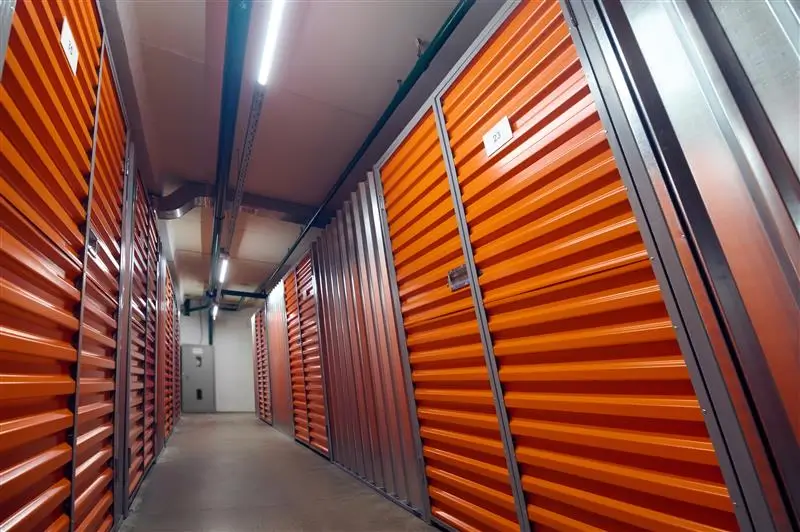
How storage fits a Memphis move
For most relocators, storage handles either:
The “I’m staying in temporary housing” scenario
You’re moving to Memphis but won’t close on/move into your permanent home for 2-12 weeks. Common with corporate relocations.
Recommended: 10×10 or 10×15 unit at Forward Storage Memphis. Store everything except daily essentials for the temporary stay.
The “I’m downsizing” scenario
You’re moving from a 4-bedroom suburban home elsewhere to a 2-bedroom apartment in Midtown for the urban experience. You’re not ready to part with everything.
Recommended: 10×10 or 10×15 to store furniture and decor you’ll keep but won’t need in the apartment.
The “I’m cross-shopping neighborhoods” scenario
You’re moving to Memphis but want to live in temporary rental for 3-6 months while you decide where to buy. Your stuff goes to storage in the interim.
Recommended: 10×15 to 10×20 for whole-household storage during the search period.
Forward Storage Memphis → is in East Memphis (Shelby Oaks Dr) — convenient for most metro neighborhoods.
Memphis-specific moving tips
Time your move to avoid summer
Memphis summers (June-September) are punishingly hot and humid. Moving during these months is miserable; movers often charge premiums for summer dates. Best move months: October-April.
Watch for spring storms
Memphis sits in tornado alley’s eastern edge. April-May can have severe weather. Don’t schedule a move on a day with a tornado watch.
Schools open early
Memphis-area schools typically start in early August. If you have school-age kids, time your move for late June-mid July so they can enroll, get supplies, and adjust.
Get familiar with neighborhood block-by-block
Memphis crime is concentrated in specific areas, even within otherwise-fine neighborhoods. Drive the streets you’re considering at multiple times of day before signing a lease or making an offer.
Connect with the community
Memphis is famously friendly. Join a church, gym, or community organization — Memphians welcome newcomers warmly.
Frequently asked questions
Is Memphis safe?
It depends on the neighborhood. Memphis has high crime rates in aggregate, but Germantown, Collierville, Bartlett, Arlington, Lakeland, East Memphis, and the suburbs of Mississippi (Olive Branch, Southaven) are statistically as safe as comparable suburbs nationally. Downtown and Midtown vary by block.
How does Memphis compare to Nashville?
Memphis is cheaper (housing especially), has stronger food/music culture, and is more geographically central. Nashville is more economically vibrant (job market hotter), has better national reputation, and is more popular with millennials. Both have no state income tax.
What about Memphis weather?
Hot humid summers (June-September), mild fall, occasionally cold winter (rarely below 20°F), spring storms April-May. Mostly pleasant April-November except deep summer.
Do I need a car?
Yes. Memphis is car-dependent. Public transit limited; most areas not walkable.
What’s the food scene like?
BBQ (especially dry-rub ribs at places like Central BBQ, Cozy Corner, Charlie Vergos’ Rendezvous, Payne’s). Fried chicken. Soul food. Increasingly diverse with new Vietnamese, Mexican, and farm-to-table options downtown and in Midtown.
How are taxes?
Tennessee has no state income tax — big advantage. Property tax is moderate (~0.7% effective). Sales tax is among the highest in US (~9.75% combined). Mississippi-side (DeSoto County) has state income tax but lower property tax.
Best month to move to Memphis?
October-April. Avoid June-September (heat, humidity, moving labor premiums). Avoid early August (school start chaos).
Where do I store stuff during a Memphis move?
Forward Storage Memphis (5724 Shelby Oaks Dr) — East Memphis, easy access from most metro neighborhoods. Month-to-month, online rental, climate-controlled options. Reserve here →
Ready to move to Memphis?
Forward Storage Memphis: 5724 Shelby Oaks Dr →
Call 888-684-4933 to discuss your move-specific storage needs.
Further reading
- Complete Self-Storage Size Guide — for sizing during your move
- The Moving & Storage Guide — full move logistics
- Climate-Controlled Storage — critical for Memphis summers
This guide is maintained by the Forward Storage team. Last updated: 2026-05-20.